When time is the primary constraint
Prioritize air freight, urgent replenishment support, and fast-response execution planning when service commitments or stock risk cannot wait.
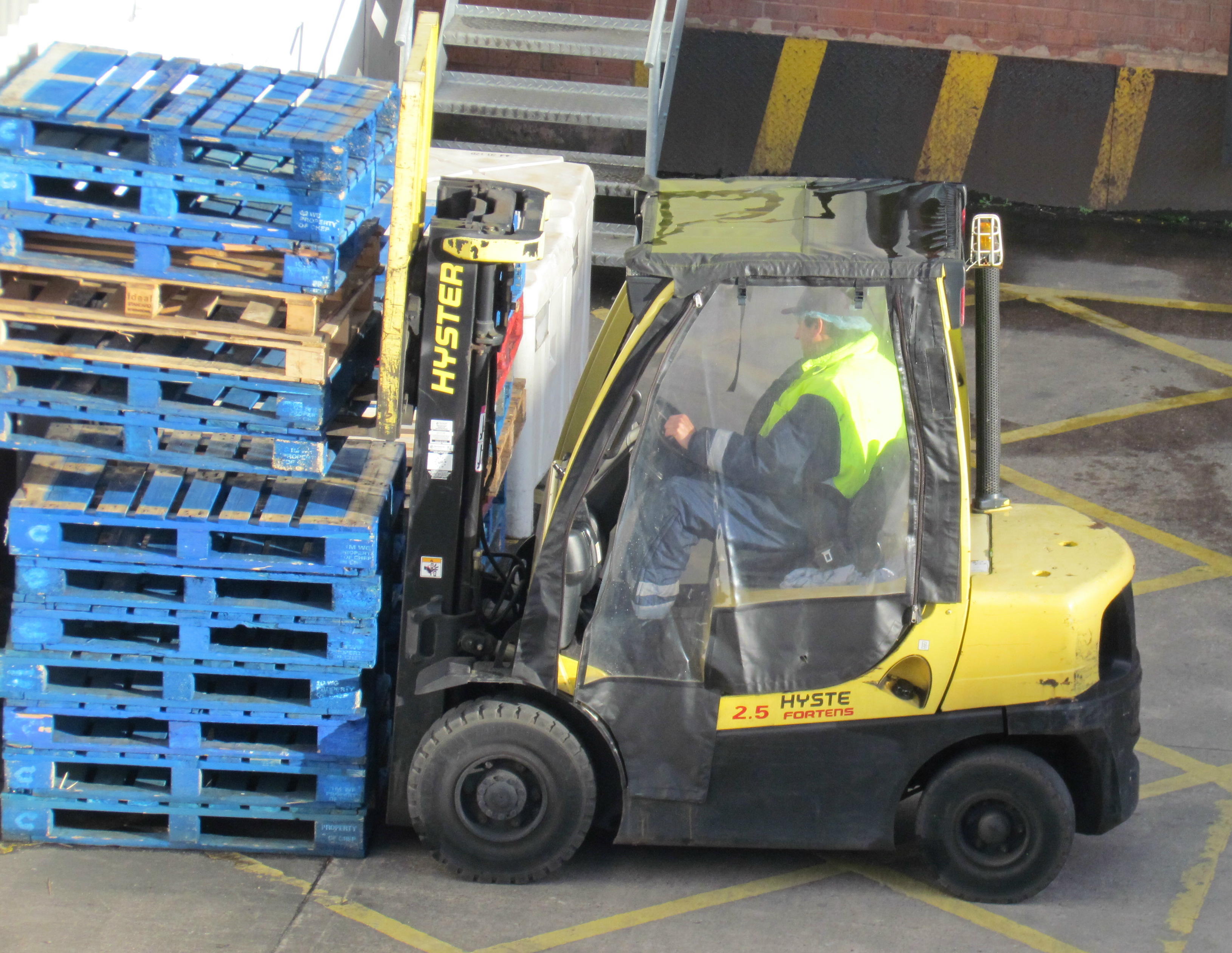
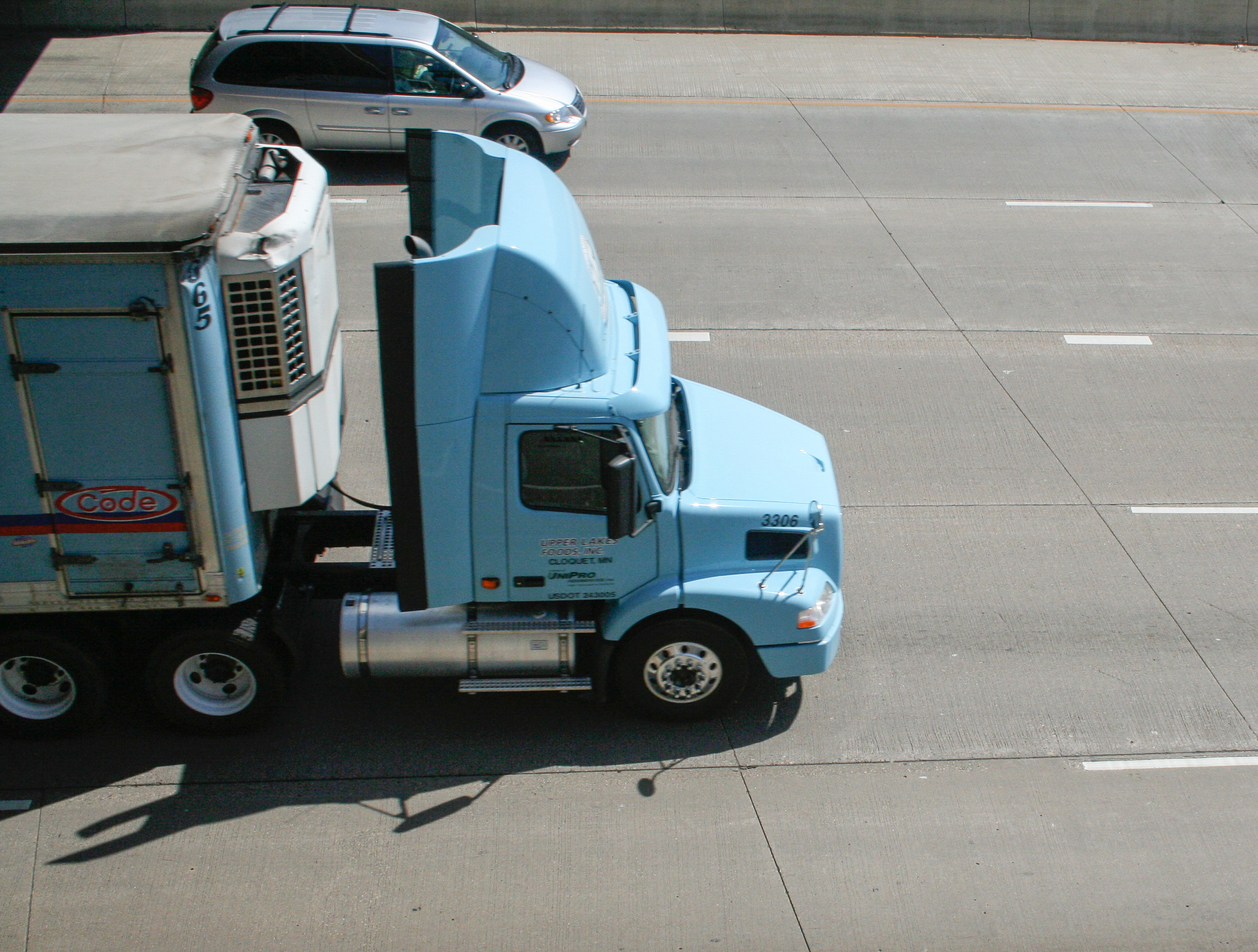
Prioritize air freight, urgent replenishment support, and fast-response execution planning when service commitments or stock risk cannot wait.
Use truckload, LTL, and ocean combinations to balance landed cost, route predictability, and replenishment rhythm across planned volume.
Bring warehousing and customs into the solution when inventory positioning, release timing, documentation, or cross-border risk become part of execution.
Use these carrier connections to extend service coverage across domestic parcel shipping, express delivery, and ecommerce fulfillment workflows.

Support cost-effective domestic parcel shipping and postal delivery coverage across the United States.

Enable time-sensitive parcel and express movement when speed, visibility, and service consistency matter most.

Strengthen international parcel and cross-border express fulfillment with globally recognized delivery coverage.

Expand ecommerce delivery flexibility with an additional last-mile shipping option for marketplace and direct orders.
Plan around lane requirements, equipment fit, peak season pressure, and carrier availability with better execution predictability.
Connect transportation with inbound receiving, inventory handling, order release, and outbound fulfillment timing.
Support customs workflows, documentation preparation, and risk control for international and regulated movements.
Use truckload and LTL services to balance delivery windows, freight cost, and regional fulfillment commitments.
Use air freight when inventory risk, launch timing, or customer commitments make speed more important than landed cost.
Use ocean freight plus customs coordination for predictable, lower-cost cross-border supply movement.
Use warehousing when inbound control, inventory visibility, and coordinated outbound fulfillment are part of the service requirement.